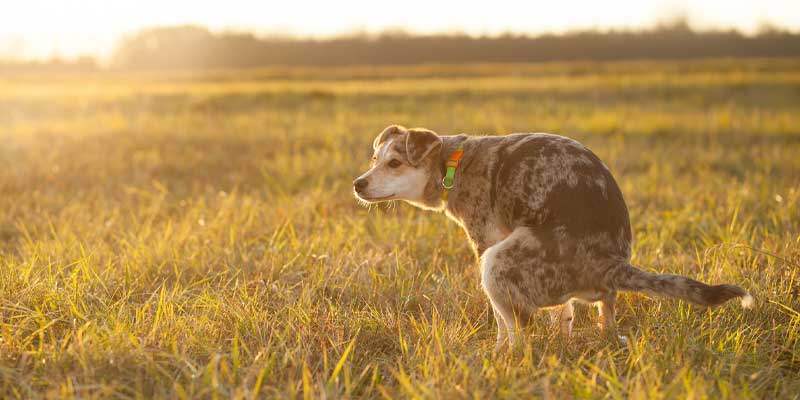
Do you ever wonder why your dog pees when they get excited? It can be pretty frustrating when your pup starts to mark their territory right in front of you, especially when you’re trying to show them off to friends and family.
In this blog post, we will explore the reasons behind this behavior and offer some tips on how to curb it.
What’s Inside!
- 1 – Why do dogs pee when excited?
- 2 – How to Stop Excitement Urination?
- 3 – What is Submissive Urination?
- 4 – Signs of Submissive Urination
- 5 – Coping with Submissive Urination in Dogs
- 6 – What are the Medical Causes of Inappropriate Urination in Dogs?
- 7 – Professional Behavior Training
- 8 – The Bottom Line
Why do dogs pee when excited?
It can be a bit of a mystery, but there is a scientific explanation for it. Dogs have a strong sense of smell, and when they get excited, their brain releases adrenaline, which can cause the bladder to release urine involuntarily. This isn’t your dog marking its territory — according to the AKC, excitement urination happens because a young dog’s bladder muscles are still developing and haven’t yet learned to hold urine during intense emotional moments.
Whatever the reason why dogs pee when excited, you must take care of them right away, so they don’t suffer any long-term issues from these types of behaviors.
Fact: Excitement urination is most common in puppies and young female dogs, and most outgrow it as their bladder control matures — according to VCA Animal Hospitals.
How to Stop Excitement Urination?
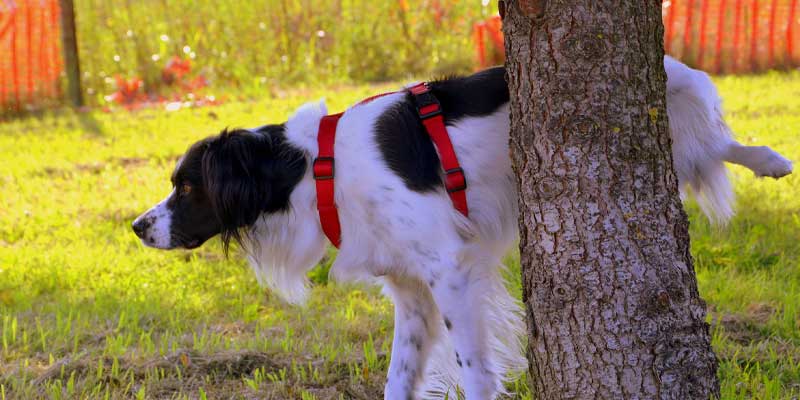
To assist your puppy with exciting urination, keep a calm and quiet demeanor. Here is how you can stop the excitement urination of your pooch:
- Keep all playtime outside or on a designated space of newspapers and puppy pads. It’s not the end of the world if your dog has an accident as long as it is in a safe place.
- Please don’t allow them to jump on the furniture or climb up on the couch.
- Please give them a chew toy or other toy to play with; this will help tire them out and ensure they are less likely to pee in the house.
- Once you notice signs of urination, place your pup on its leash and take them for a walk. It will tire out their bladder and make them less likely to pee indoors.
- To encourage your pup to pee outside, place their food bowl in their training area. This way, the puppy will associate the spot with going potty and should naturally go out to relieve itself.
- When they pee at the right place, give them treats and keep the greetings to a minimum.
What is Submissive Urination?
Submissive urination is when a dog urinates in response to being reprimanded or punished. This can happen in a variety of ways, including a leash correction, being patted on the head, being gently scolded with a harsh tone of voice, or even the command “sit,” according to UC Davis Veterinary Medicine.
In this situation, the dog feels undeserving of approval and punishment, so it’s only natural for them to react as such.
Signs of Submissive Urination
Submissive urination can be a huge cause of concern for dog owners, especially if they notice it happening quite often.
Here are some common signs of submissive urination:
- Your dog may lower its head and body, tuck its tail, or roll onto its back when you approach or greet it — a classic sign of submissive urination, according to UC Davis Veterinary Medicine.
- They may start to show signs of stress and anxiety, such as excessive panting or hiding.
- Your pup may start to avoid you or withdraw from social situations altogether.
- There may be a significant change in the way your dog behaves around you in some cases.
- The dog will often avoid eye contact with people and try its best to evade any form of confrontation.
- Some dogs might even start urinating when reprimanded verbally, so you must be very careful when correcting them.
Coping with Submissive Urination in Dogs
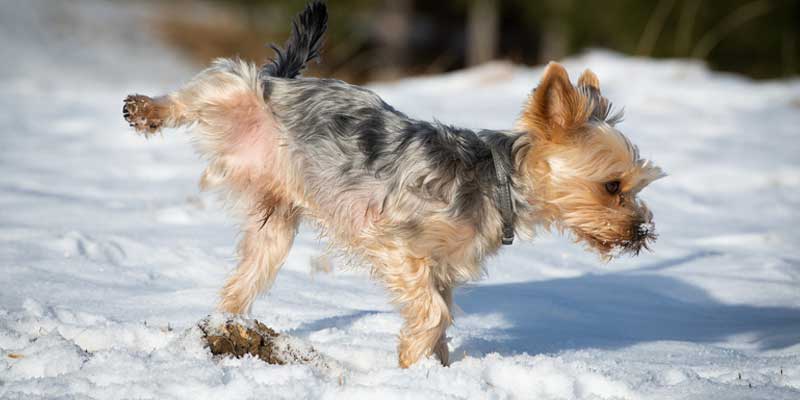
If your dog is being reprimanded for peeing by being yelled at, punished with a leash correction, or even being told “sit,” then it’s essential that you immediately make changes in their daily routine.
For instance, you can try to avoid reprimanding your dog with a loud voice and use a gentler approach instead. Perhaps you can try walking away from the situation for a moment before trying again. Also, make sure your dog gets plenty of exercise each day and limit how long they’re confined in the yard or house.
Good to know: When greeting a submissive dog, kneel down instead of standing over them, avoid direct eye contact, and pet under the chin rather than reaching over their head — small changes that can significantly reduce accidents, per VCA Animal Hospitals.
If you’re wondering if your dog is stressed or anxious, then a good way to measure this is to play nice soothing music to calm down any high levels of stress. You can also offer them some treats or even play with them in an enclosed area where they are guaranteed not to pee.
What are the Medical Causes of Inappropriate Urination in Dogs?
Medical reasons for dogs urinating in inappropriate areas are as follows:
1- Bladder Infection
If your dog is experiencing symptoms like frequent urination and foul smell, this may indicate a bladder infection, also called cystitis. This type of infection can be pretty painful, and you must bring your pup to the vet if you have any suspicions.
2- Urinary Tract Infection
A urinary tract infection occurs when bacteria gets into your dog’s urinary tract and begins to spread through their bladder and kidneys, according to VCA Animal Hospitals. In some cases, these bacteria can lead to severe symptoms such as:
- Extreme frequency of urination
- A foul smell emanating from the dog’s urine
- Straining, crying out, or visible pain while urinating
3- Diabetes or Kidney Disease
Conditions like diabetes mellitus, diabetes insipidus, or kidney disease can cause your dog to drink more water and produce more urine than usual, which can lead to accidents in the house. If you notice a sudden increase in thirst and urination, it’s important to have your vet run bloodwork to rule these out, according to VCA Animal Hospitals.
4- Change in diet
Changes in diet usually result in changes in specific vitamins and minerals. If you notice your pup is urinating more than usual and seems to have a low energy level, it might be due to the change of their food.
If you notice any signs of stress or anxiety on your dog, you can try to alter this by offering them some playtime or nice calming music to calm down any high levels of stress. In most cases, if you’re noticing frequent urination in your dog, then it’s recommended that you take them to the vet when possible.
See a vet if: you notice blood in your dog’s urine, straining or crying out while urinating, or a sudden increase in thirst and urination — these can signal a UTI, bladder stones, or a more serious condition and warrant prompt veterinary attention, per VCA Animal Hospitals.
Professional Behavior Training
When your dog continues peeing when excited or submissive, even after you’ve tried everything else, you may need to visit a professional veterinary behaviorist. A specialist may be able to spot patterns in your puppy’s activities that you’re missing.
The Bottom Line
The behavior of urination in a dog can be embarrassing, and there are many factors you may need to consider before acting. If you spot the signs of excessive urination, you must start being more strict with your pup and avoid reprimanding them when they do it.