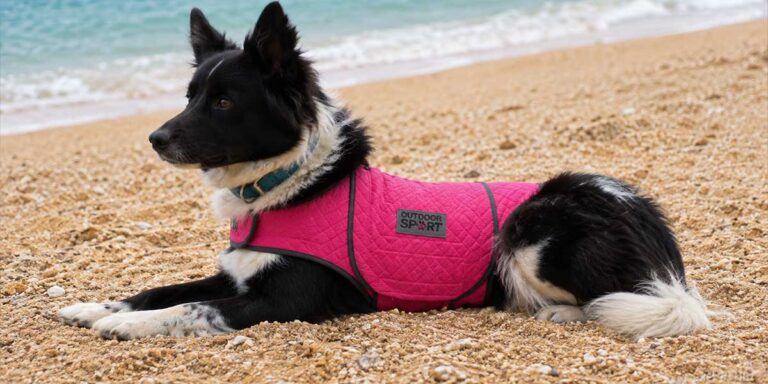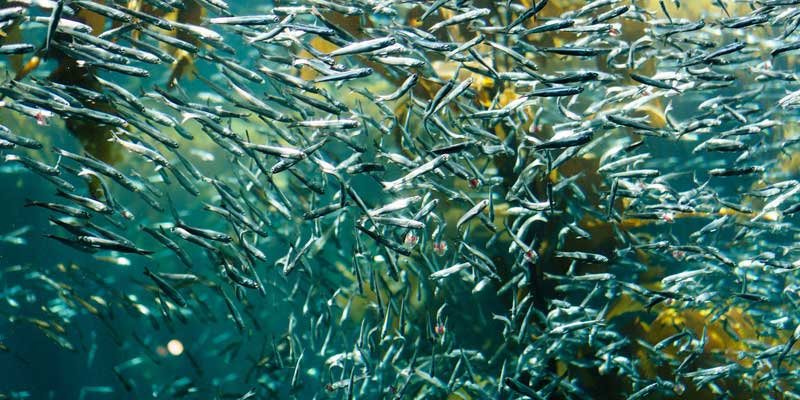
Sardines are good for dogs — solid omega-3s, real protein, a low-mercury fish thanks to their size and short lifespan. The bigger factor than brand is one choice: water-packed versus oil, brine, or sauce. Oil can trigger stomach upset or worse in a fat-sensitive dog; brine and sauce add sodium and sometimes ingredients like garlic that don’t belong anywhere near a dog’s bowl. Water, no salt added, is the standard to look for regardless of brand.
Bones are a separate issue: fresh sardines can have bones tough enough to be a real risk, while canned sardines have soft, safely digestible ones — canned is the safer starting point, not a downgrade from fresh.
Editor’s Pick

Last update on 2026-10-08 / Affiliate links / Images from Amazon Product Advertising API
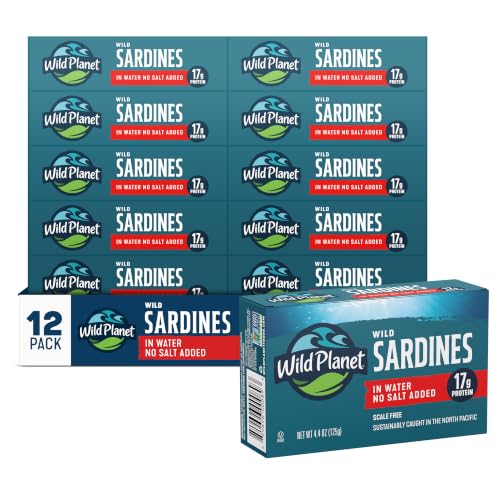
This product is labeled “3rd Party Mercury Tested” on the can — a step beyond a brand simply stating its fish is low-mercury with nothing backing it up.
What’s Inside!
Why Sardines Are Good for Dogs
Sardines are rich in omega-3 fatty acids (EPA and DHA), which support joint, heart, and skin health, along with protein, calcium, and B12. Their safety edge over larger fish like tuna comes down to biology: sardines sit low on the marine food chain and don’t live long, so they don’t accumulate significant mercury the way a longer-lived predatory fish does.
Dogs with pancreatitis, a history of it, or a fat-sensitive stomach should avoid sardines, or check with a vet first. Vet-reviewed sourcing is direct about this — the fat content that makes sardines nutritious is exactly what can trigger a flare-up in a dog already prone to it. Oil-packed sardines add fat on top of what’s already in the fish, raising this risk further.
What to Check Before Buying
Packing medium, first. Water with no salt added is the standard. Oil adds meaningful extra fat; brine and sauce add sodium and sometimes seasonings like garlic or onion powder that are unsafe for dogs regardless of the sardines themselves.
Sodium content specifically. Even among water-packed options, sodium percentages vary — check the label rather than assuming “water-packed” automatically means low-sodium.
Bones: fresh versus canned. Fresh sardines can have bones tough enough to pose a real risk; canning softens the bones in canned sardines until they’re safely digestible, so canned is the safer choice for most owners, not something to feel bad about skipping fresh for.
Sustainability certification. A third-party label — Marine Stewardship Council or Friend of the Sea — means an outside group verified the sourcing, not just a brand’s own “sustainably sourced” language on the can.
Sardines Comparison Table


Last update on 2026-10-08 / Affiliate links / Images from Amazon Product Advertising API
Sardines Reviews
1. Wild Planet (Best for Verified Safety)
Best for Verified Safety
Last update on 2026-10-08 / Affiliate links / Images from Amazon Product Advertising API
- PackingWater, no salt added
- SourcingWild-caught, North Pacific, selective harvesting
- Best ForBuyers who want the mercury-tested label on the can
This line carries a “3rd Party Mercury Tested” claim on the can. Wild Planet’s own published mercury-testing data covers its tuna lineup with specific lab numbers (skipjack, yellowfin, and albacore all well under the FDA limit); it doesn’t publish a matching sardine-specific report, so the safety claim on this product rests on the label rather than a public number for this exact item.
Water-packed, no salt added, scale-free, non-GMO, and OU Kosher Pareve certified. Wild Planet has used selective harvesting methods since 2004 to reduce bycatch.
It’s priced above the budget picks in this list.
Pros
- Mercury-tested claim on the label
- Water-packed, no salt added
- Selective harvesting practice in place since 2004
Cons
- Priced above budget alternatives
- No published lab data specific to the sardines themselves
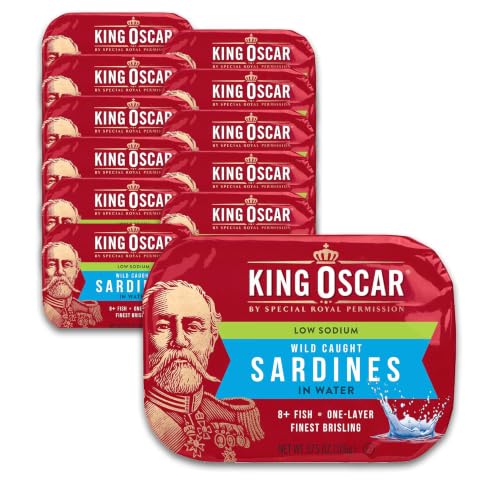
2. King Oscar (Best Premium)
Best Premium
Last update on 2026-10-08 / Affiliate links / Images from Amazon Product Advertising API
- PackingPure spring water, no salt added
- SourcingWild-caught in Norway’s coastal waters
- Best ForBuyers who want specific Norwegian sourcing
Norwegian brisling sardines, hand-packed with no salt added. King Oscar’s Norway sourcing carries Marine Stewardship Council certification, and its packing plant in Svolvær runs on hydropower and wind electricity. That certification covers fishing practices, though — it isn’t a mercury test, and King Oscar doesn’t publish lab numbers the way Wild Planet does for its tuna line.
The cans are recyclable aluminum with an easy-open pull-ring. King Oscar’s brisling sardines are lightly wood-smoked before canning, which gives them a firmer texture and smokier flavor than the plain water-packed cans elsewhere on this list.
It costs more than the budget picks, reflecting the Norwegian sourcing and wood-smoking process.
Pros
- MSC-certified Norwegian sourcing
- Water-packed, no salt added
- Recyclable, easy-open packaging
Cons
- Costs more than the budget picks
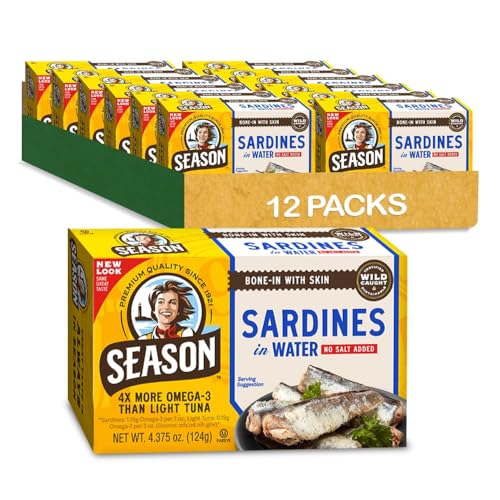
3. Season (Best Value)
Best Value
Last update on 2026-10-08 / Affiliate links / Images from Amazon Product Advertising API
- PackingWater, no salt added
- CertificationFriend of the Sea sustainability certified
- Best ForBudget-conscious buyers wanting real sustainability backing
Season’s sardines carry Friend of the Sea certification, a third-party sustainability standard, not just vague “ocean-friendly” language on the can. Season states its sardines were the first to receive this certification — that’s the company’s own claim about itself, not an independently verified record.
Water-packed, no salt added, wild-caught, and lower in cost than the premium picks above.
The flavor and texture are more basic than the specialty picks, matching the lower price.
Pros
- Friend of the Sea third-party certification
- Water-packed, no salt added
- Lower cost than premium picks
Cons
- More basic flavor and texture than specialty picks
4. Beach Cliff (Best Overall)
Best Overall

Last update on 2026-10-08 / Affiliate links / Images from Amazon Product Advertising API
- PackingWater, no sauce or added oil
- SourcingWild-caught, traceable
- Best ForNot sure where to start
Beach Cliff and Bumble Bee, reviewed next, are sister brands under the same company, The Bumble Bee Seafood Company — not two separate competitors. It’s a plain water-packed sardine with nothing else added, a reasonable default if none of the other picks’ specific angles apply to you.
Because Beach Cliff is part of The Bumble Bee Seafood Company, batches can be looked up through the company’s Trace My Catch tool using the code on the can.
It doesn’t have a specialty angle beyond covering the basics well.
Pros
- Plain water-packed, no additives
- Batch-level traceability
- Reasonable default pick
Cons
- No specialty angle beyond the basics
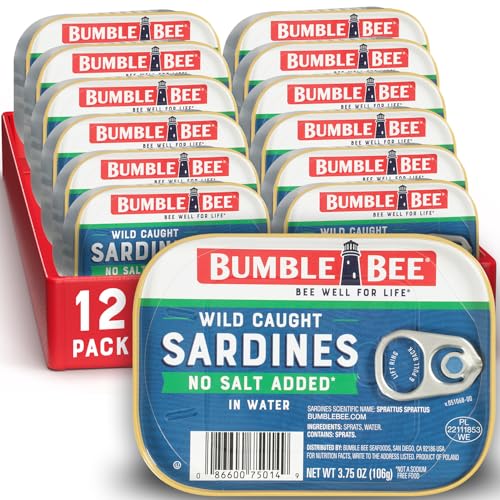
5. Bumble Bee (Best Recognized Brand)
Best Recognized Brand
Last update on 2026-10-08 / Affiliate links / Images from Amazon Product Advertising API
- PackingWater, no salt added
- SourcingWild-caught, traceable
- Best ForBuyers who want a widely-recognized name
Bumble Bee introduced its brand name in 1910, built on a canning company founded in 1899 — a long-running seafood brand, not a newcomer riding the recent sardines-as-health-food trend.
Water-packed, no salt added, with the same Trace My Catch traceability system as Beach Cliff, since both brands are owned by the same company.
It doesn’t have a specialty angle beyond being the more recognizable of the two Bumble Bee Seafood Company sardine brands reviewed here.
Pros
- Widely-recognized seafood brand name since 1910
- Water-packed, no salt added
- Batch-level traceability
Cons
- Same parent company and traceability system as Beach Cliff — little to separate them besides name recognition
Which Sardines Should You Buy?
| Situation | Pick |
|---|---|
| Want the mercury-tested label | Wild Planet |
| Want MSC-certified Norwegian sourcing | King Oscar |
| Tightest budget, still want real sustainability backing | Season |
| Not sure where to start | Beach Cliff |
| Want a familiar, trusted mainstream brand | Bumble Bee |
Sardines for Dogs FAQ
Are sardines packed in oil safe for dogs?
Not the recommended default. Oil adds meaningful extra fat on top of what’s already in the fish, raising the risk of stomach upset or a pancreatitis flare-up, especially in a fat-sensitive dog. Water, no salt added, is the safer standard choice.
Can dogs eat sardine bones?
Canned sardine bones are soft from the canning process and safely digestible. Fresh sardines can have bones tough enough to pose a real choking or digestive risk, which is one reason canned is usually the safer pick for most owners.
Which dogs should avoid sardines entirely?
Dogs with a history of pancreatitis or a fat-sensitive stomach should avoid sardines or check with a vet first. The same fat content that makes sardines nutritious is what can trigger a flare-up in a dog already prone to one.
How many sardines can I give my dog?
Treat portions generally, not a meal replacement — a small piece to one sardine for a toy breed, one to two for a medium dog, two to three for a large dog, a few times a week rather than daily for most dogs. Introduce gradually to check for stomach upset.
Final Thoughts
Packing medium matters more than brand — water, no salt added, is the standard regardless of which company’s can you pick. Check for a fat-sensitivity or pancreatitis history before starting, introduce gradually, and treat canned as the safer choice over fresh, not a downgrade.