Searching for a “hypoallergenic dog” usually means one thing: you want a dog you can actually live with without a box of tissues nearby. The good news is that some breeds genuinely cause fewer reactions for most allergy sufferers. The catch is that the word “hypoallergenic” gets used far more loosely in marketing than the science actually supports.
Here’s the real picture: what a breed’s coat does, what actually causes the allergic reaction, and which dogs are worth a closer look if allergies are a factor in choosing your next dog.
Good to know: No dog is completely allergen-free. Even low-shedding, low-dander breeds still carry some dander, saliva, and urine proteins that can trigger a reaction in a sensitive person. “Hypoallergenic” means lower-allergen, not allergen-free. Cleveland Clinic
What’s Inside!
What Actually Causes Dog Allergies (It Isn’t the Fur)
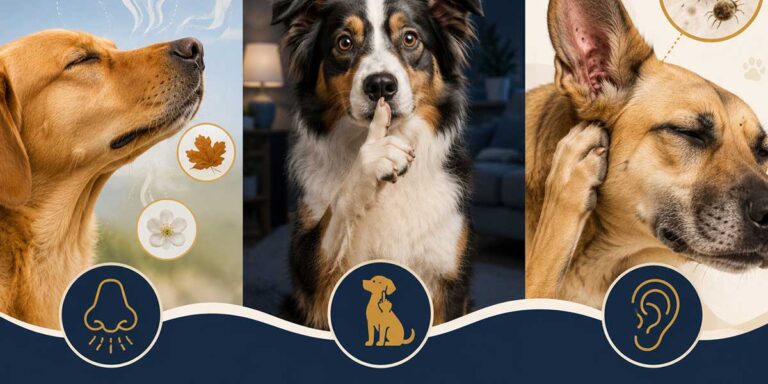
Most people assume dog hair is the problem. It isn’t, at least not directly. The allergic reaction comes from a protein called Can f 1, which is produced in a dog’s saliva, skin (dander), and urine, according to the American College of Allergy, Asthma & Immunology. Fur becomes a delivery system for that protein once a dog licks its coat or sheds flakes of skin, but the hair itself isn’t the allergen.
That’s why a person can react to a dog they’ve never touched, just from sitting in a room where dander has settled into carpet or furniture. A dog’s saliva can also trigger a reaction directly through licking or a lick to the skin, separate from any coat contact at all, per PetMD.
Is Any Dog Breed Really Hypoallergenic?
Not in the strict sense. A widely cited 2012 study published in the Journal of Allergy and Clinical Immunology tested Can f 1 levels in the hair and homes of 60 different dog breeds and found no meaningful difference between breeds marketed as hypoallergenic and breeds that were not. The researchers concluded there’s a “lack of evidence to describe any dog breed as hypoallergenic.”
Some of the results were counterintuitive. Poodles, one of the most commonly recommended “hypoallergenic” breeds, actually showed higher home allergen levels than Labrador Retrievers in that same dataset, as reported by the AKC. A separate allergen-testing survey from Henry Ford Health System found detectable dog allergen in 94% of the homes it tested, hypoallergenic breed or not, per the ACAAI resource cited above.
Fact check: “Hypoallergenic” as a marketing term predates the actual research. Breeds earned the label because they shed less hair onto floors and furniture, which is genuinely useful for reducing airborne dander buildup, but “sheds less” and “produces less allergen” are not the same claim, and the 2012 JACI study is the most direct evidence that they don’t track together.
So why do allergy sufferers still do noticeably better with certain breeds in practice? Coat structure matters for how much hair (and the dander riding on it) ends up loose in your home, even if it doesn’t change how allergenic the dog itself is. A dog that sheds constantly onto your carpet is depositing more allergen-carrying material into your living space than a dog whose loose hair mostly stays trapped in its coat until it’s brushed or clipped out.
Dog Breeds Considered Best for Allergy Sufferers
These are the breeds the AKC and most veterinary sources point to first, largely because their coats shed minimally and keep loose hair (and its dander) contained rather than scattered around the house.
Afghan Hound
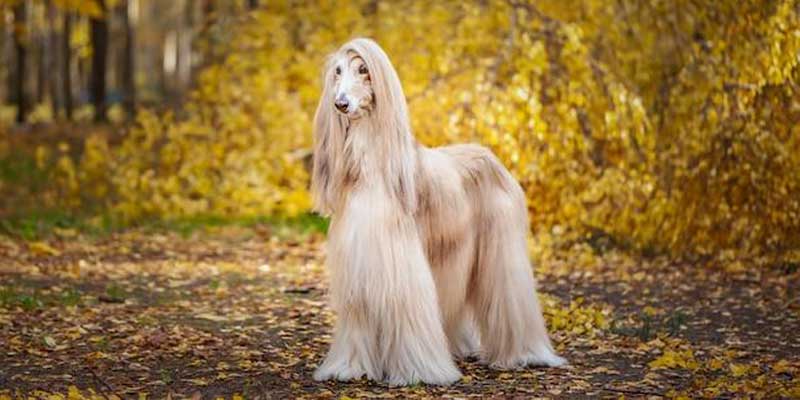
The Afghan Hound is a tall, lean sighthound with a long, silky coat that grows more like human hair than typical dog fur, which is why it hardly sheds. It’s affectionate with its family but independent by nature, and its coat needs regular brushing and bathing to stay mat-free, not because it’s shedding but because a coat that long tangles fast without upkeep.
Height and weight: females run 24-26 inches and 40-55 pounds; males run 25-27 inches and 50-60 pounds. Life span: 12-14 years. Common health concerns: hip dysplasia, hypothyroidism, and cataracts.
Bedlington Terrier
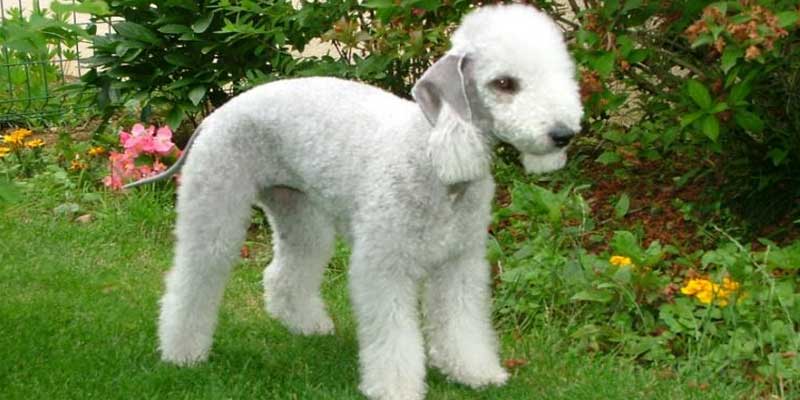
Bedlington Terriers have a curly, wool-like coat with a distinctive lamb-shaped trim, and like the Afghan Hound, their hair grows continuously rather than cycling through a heavy seasonal shed. That’s the same coat mechanism that makes Poodles and Bichons low-shedding: hair that keeps growing rather than reaching a set length and falling out in clumps.
Height and weight: females run about 15.5 inches and 20.5 pounds; males run about 16.5 inches and 20.5 pounds. Life span: 11-16 years. Common health concerns: copper-associated liver disease and ear infections.
Bichon Frise
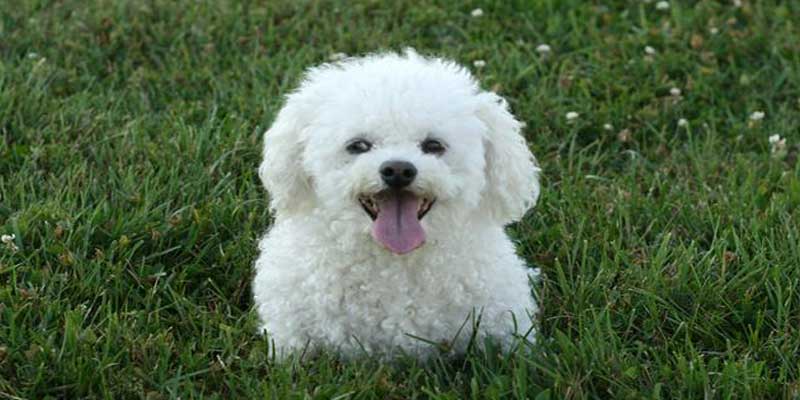
The Bichon Frise carries a double coat, but the tightly curled outer layer traps loose undercoat hair against the body instead of letting it fall free, according to the VCA Hospitals breed profile. That trapped hair still needs to come out through regular brushing, which is a real grooming commitment, but it keeps far less dander airborne on a day-to-day basis than a breed that blows its coat freely onto the floor.
Height and weight: females run about 10 inches and 9-12 pounds; males run about 10.5 inches and 6-12 pounds. Life span: 12-15 years. Common health concerns: allergies, bladder stones, and hip dysplasia.
Chinese Crested
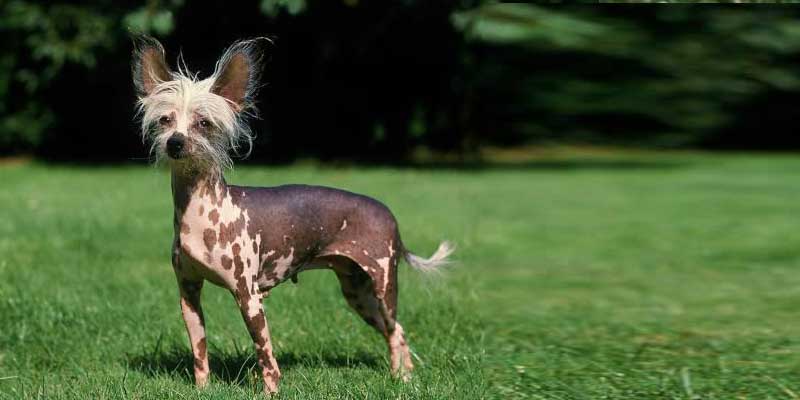
The Chinese Crested comes in two coat varieties, but the hairless variety is the one most often recommended to allergy sufferers, simply because there’s very little coat surface left for dander to cling to. It’s a small, alert breed with a strong sense of smell, and its exposed skin needs sunscreen and moisturizer, a genuinely different kind of upkeep than fur-based grooming.
Height and weight: females run about 11 inches and 5-12 pounds; males run about 13 inches and 5-12 pounds. Life span: 13-15 years. Common health concerns: progressive retinal atrophy, lens luxation, and glaucoma.
More Low-Dander Breeds Worth Knowing
Two more breeds show up on almost every reputable “doesn’t shed” list, and both are frequently used as service and therapy dogs partly for this reason.
Affenpinscher
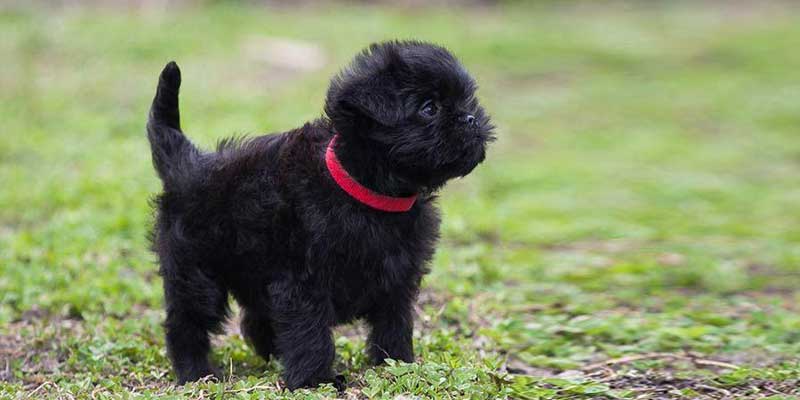
The Affenpinscher is a small, wiry-coated toy breed nicknamed the “monkey terrier” for its expressive, almost human-like face. Shedding is minimal, and the breed’s confident, terrier-like temperament belies its small size. Height and weight: about 10 inches and 7-9 pounds for both sexes. Life span: 12-14 years.
Standard Schnauzer
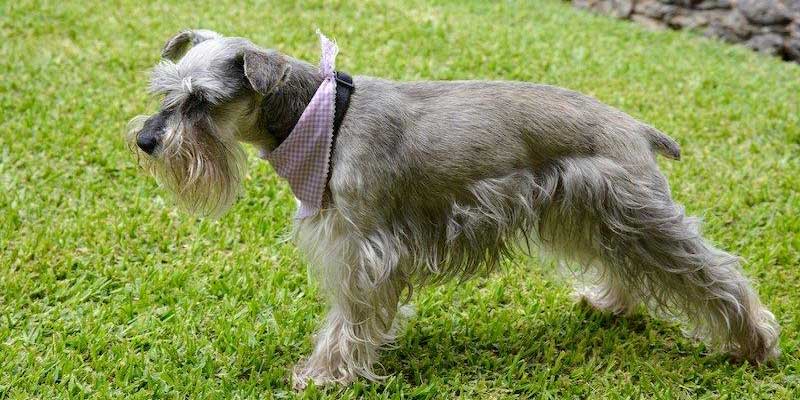
The Standard Schnauzer has a wiry double coat that, like the Bedlington’s, grows continuously rather than shedding out seasonally. It’s a mid-sized, highly trainable working breed that needs regular hand-stripping or clipping to keep the coat’s texture correct. Height and weight: 17-19 inches and about 35 pounds for females; 18-20 inches and about 37.5 pounds for males. Life span: 12-15 years.
Beyond these, a handful of other breeds regularly appear on veterinary and AKC low-shedding lists worth researching further if you’re breed-shopping with allergies in mind:
- Poodle (Standard, Miniature, and Toy)
- Portuguese Water Dog
- Coton de Tulear
- Giant Schnauzer
- Irish Water Spaniel
- American Hairless Terrier
Full details on all of these are in the AKC’s own hypoallergenic dog breed directory.
Shedding Isn’t the Same as Hypoallergenic
It helps to understand the two different coat systems at play. A double coat, common in breeds like the Akita, Siberian Husky, and Golden Retriever, has a dense, insulating undercoat beneath a coarser outer layer, and that undercoat is shed out heavily once or twice a year during seasonal “coat blow,” on top of lighter shedding year-round, per the AKC. A single coat, the type found in most low-shedding breeds, lacks that dense undercoat and its hair grows on a longer, more continuous cycle instead of dropping out in bulk.
At one end of that spectrum is the Afghan Hound, already covered above, which sheds about as little as any breed gets thanks to that single, continuously growing coat. At the other end sits the Akita.
Akita: A Heavy-Shedding Contrast Point
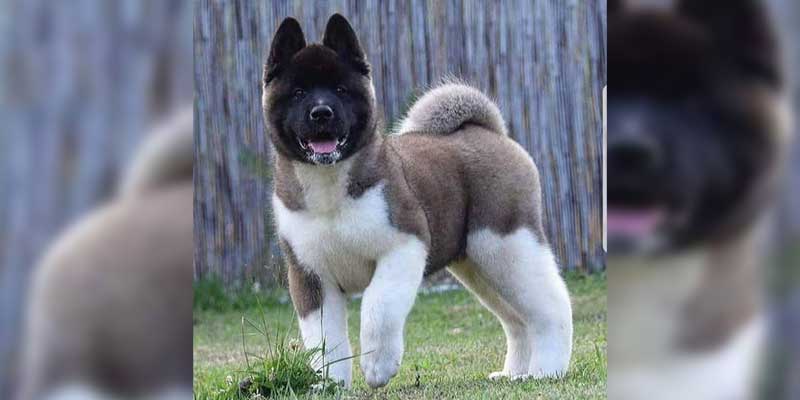
The Akita is a large, powerful double-coated breed from Japan, bold and dignified in temperament, and one of the heaviest-shedding breeds you can bring home, according to PetMD. Its straight, waterproof coat blows out its undercoat in thick clumps twice a year, with lighter shedding continuing in between. It’s a useful contrast point precisely because it shows what the opposite end of the shedding spectrum looks like next to the Afghan Hound or Bichon Frise.
Heads up: A heavy-shedding breed like the Akita isn’t necessarily more allergenic in the strict Can f 1 sense covered above, but it does put far more loose hair, and the dander riding on it, into your home’s air and surfaces day to day. For a household managing dog allergies, that practical difference in how much material ends up on your carpet and furniture matters just as much as the underlying allergen chemistry.
How to Reduce Dog Allergens, No Matter the Breed
Since coat type alone won’t fully solve an allergy problem, the AKC recommends pairing a lower-shedding breed with real household habits. Frequent bathing and grooming reduces the dander that accumulates on a dog’s coat and skin, and brushing outdoors keeps loose hair from spreading through the house in the first place. A dedicated deshedding shampoo can help pull out loose undercoat during a bath rather than letting it work its way out onto your furniture over the following days.
Beyond grooming, a few household changes make a measurable difference: keeping the dog off furniture and out of bedrooms, vacuuming with a HEPA-filter vacuum, swapping carpet for hard flooring where practical, and washing your hands after handling your dog. Immunotherapy (allergy shots) is also worth discussing with an allergist for anyone determined to keep a dog long-term despite a real sensitivity.
Good to know: Before committing to a breed based on its “hypoallergenic” reputation, spend real time with an individual dog of that breed first. Allergic reactions vary person to person and even dog to dog within the same breed, so a 15- to 20-minute visit is a better test than any breed list alone.
References:
- Cleveland Clinic — Are Any Dogs Hypoallergenic?
- American College of Allergy, Asthma & Immunology — Pet Allergies
- PetMD — Can You Be Allergic to Dog Saliva?
- Journal of Allergy and Clinical Immunology — Can f 1 Levels in Hair and Homes of Different Dog Breeds
- AKC — Does a Completely Hypoallergenic Dog Exist?
- AKC — Hypoallergenic Dog Breeds
- AKC — What Is a Double Coat, and What Dog Breeds Are Double-Coated?
- AKC — Can I Have a Dog If I Have Allergies?
- VCA Hospitals — Bichon Frise
- PetMD — Akita
Is any dog 100% hypoallergenic?
No. Every dog produces some level of Can f 1 protein through saliva, dander, and urine, and a 2012 study found no meaningful allergen difference between breeds marketed as hypoallergenic and breeds that weren’t. “Hypoallergenic” breeds are lower-shedding, which tends to mean less loose dander around the house, not allergen-free.
Are Poodles actually hypoallergenic?
Poodles shed very little thanks to a continuously growing single coat, which is genuinely useful for keeping loose hair off your floors. But the same 2012 study found Poodles carried higher home allergen levels than Labrador Retrievers in its dataset, so the breed’s reputation outruns the actual allergen science.
Can I be allergic to a hairless dog?
Yes. Hairless breeds like the Chinese Crested still produce dander and saliva, the two main allergen sources, just with less coat surface for it to collect on. A hairless breed generally means less loose material around your home, not zero allergen exposure.
Does bathing my dog really help with allergies?
Frequent bathing and grooming can meaningfully reduce the dander that builds up in a dog’s coat, according to the AKC. Combine it with brushing outdoors, a HEPA-filter vacuum, and keeping the dog off furniture and out of bedrooms for the biggest practical difference.
What’s the best small hypoallergenic dog for an apartment?
The Bichon Frise, Affenpinscher, and toy or miniature Poodle are commonly recommended for apartment living among lower-shedding breeds, thanks to their small size and manageable grooming needs, though every dog still needs the regular exercise and mental stimulation its breed calls for.