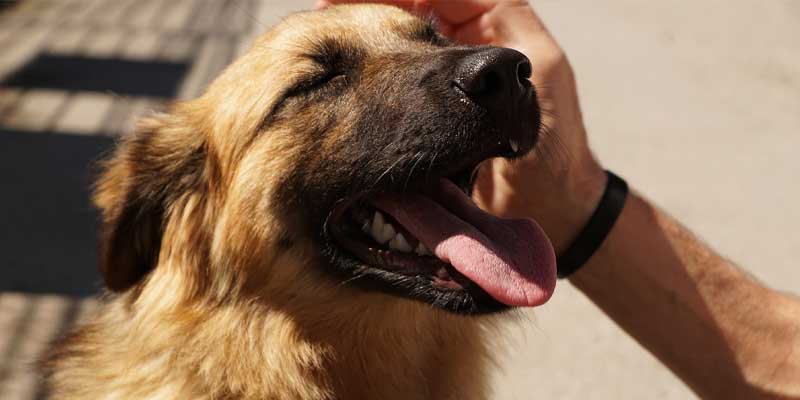
Studies have proved that dental diseases directly correlate to the lousy breath of dogs. Our dogs often have bad breath that is painful for us. I will break down the facts that will surprise you about why your dog may cause a mouth whiff. Halitosis is the term used. Most of the time, the reason for smelly breath in pups is dental disease, but not always.
Regular brushing of dogs’ teeth helps prevent the foul smell of dogs; anyhow, the brushing may be a little harsh for your dogs. It is good to brush your pup’s teeth from a very young age. A six-month check-up by a vet is necessary to maintain your dog’s oral health.
What’s Inside!
Cause # 1: Dental Disease:

Dogs’ bad breath usually results in dental problems such as rotten teeth, accumulated plaque, or gums’ redness. Periodontal disease is the single most common cause of bad breath in dogs, according to VCA Animal Hospitals.
We can see their gums, open the mouth gently, and view the gum line that may lead to all teeth decay if not appropriately handled.
We should remember that tooth pain is tough to bear, even if it is normal or severe. This painful period can keep our pet away from the nutritional food he needs.
We should make our dogs used to brush daily. We are responsible for brushing their teeth, but we must train them enough to open and easily allow us. Brushing is just like having the habit of your young baby. Brushing our dog teeth even with a dog’s teeth brush or human teeth brush is good. If the dog annoys while brushing, we can consult a vet. A large variety of teeth wash is there for such pets.
Fact: Periodontal disease is the most common cause of bad breath in dogs, and it can also lead to tooth loss and infection if plaque and tartar are left to build up (VCA Animal Hospitals).
Cause # 2: Kidney Disease:
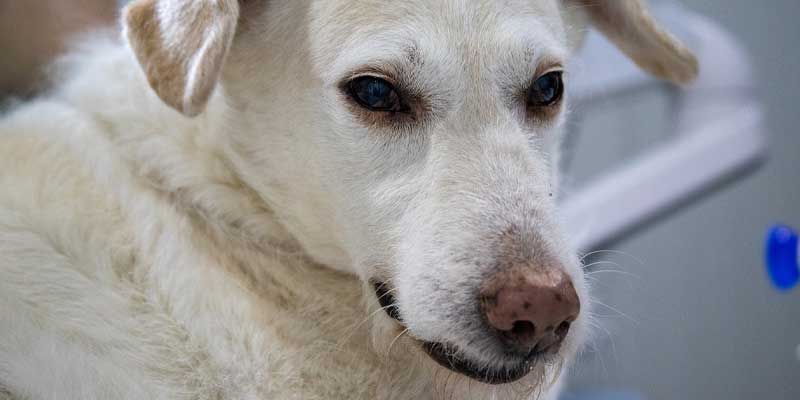
Bad breathing like urine or waste from our dog’s mouth is probably the sign of kidney disease. The function of kidneys is to regulate the water and fluid in the body and maintain health. Bad breathing is a severe stage of kidney problems in our dogs. When the kidneys can no longer filter waste properly, a buildup of urea in the blood can make a dog’s breath smell like ammonia or urine, according to Diamond Pet Foods.
The other symptoms are also noticeable,
- Lack of appetite
- Pale gums
- Stumbling
- Strange behavior
- Harsh mood
Getting an appointment with a vet is essential for our dog’s health.
When we smell like urine or waste from our dog’s mouth, it does not always mean the same. It is also possible that the dog might have eaten the poop or scat. You have a good check on the puppy.
See a vet if: your dog’s breath smells strongly of ammonia or urine, especially alongside lack of appetite, lethargy, or increased thirst. These combined signs can point to kidney disease and need prompt veterinary evaluation (Diamond Pet Foods).
Cause # 3: Liver Disease:
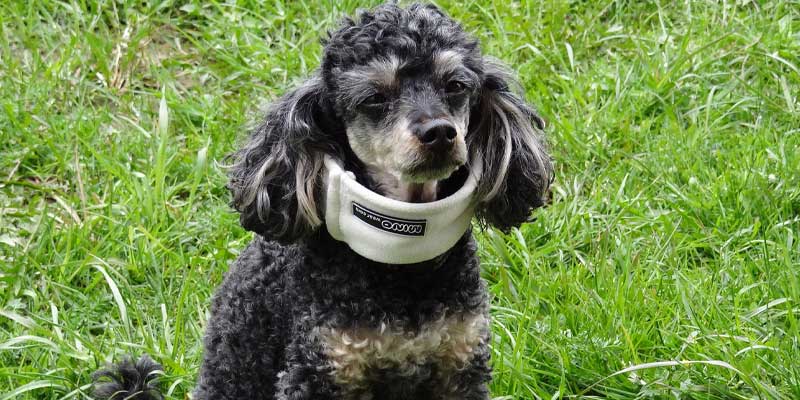
Liver diseases in dogs are common for their foul smell in breath. When we feel the scent of diarrhea or vomiting in a dog’s mouth, they may suffer from liver disease.
When we are making regular brushing of teeth and dogs don’t have plaque accumulated in their gum line, there are chances that my dog is suffering from liver disease. Vomiting is more common than diarrhea.
Lack of appetite, weight loss, harsh and unusual behavior, water drinking, and urinating are the symptoms of liver disease. Bad breathing is one sign of liver disease.
Lack of appetite and increased water drinking are the signs of the early stage of liver disease in our dogs. Consulting a vet is necessary when facing these issues in our dog. This disease can cause it to snatch moisture from the skin and eyes of our pets. Dogs have yellow (jaundiced) eyes, itchy skin, and dark urine, according to the American Kennel Club. The dog may pass light stool when facing liver disease.
Only to detect liver disease in your dog is not just enough; get an appointment from the vet and then proper treatment of liver disease; otherwise, it may lead to the death of our dog.
Cause # 4: Diabetes:
Diabetes in dogs, especially ketoacidosis, may lead to bad breath. Imbalanced bloodstream in your dog results in bad breath.
- Lack of appetite
- Sometimes excessive hunger
- Cloudy eyes
- Dryness of the mouth
- Weakness
- Unusual and excessive urinating
- Drying of nails
- Tooth decay
Bad breath is a sign of diabetes in the dog.
Prompt medical care and complete treatment in dogs are essential to save the dog’s life.
If my dog has a fruity or sweet smell in its mouth, it means my dog is suffering from diabetes. A sweet or fruity breath odor is a distinctive warning sign that calls for a vet visit, according to the American Kennel Club.
We should give high-fiber and low-fat food to our dogs to regulate glucose in the bloodstreams of our dogs. Consult a vet to cure this disease. Injections of insulin help manage diabetes in dogs, though they don’t cure it — most diabetic dogs need lifelong daily insulin and a consistent diet, per VCA Animal Hospitals. Bad breathing is the last stage of diabetes. Early symptoms are different, as discussed above.
Good to know: a sudden fruity or acetone-like breath odor in a diabetic dog can signal diabetic ketoacidosis (DKA), a life-threatening complication that needs immediate veterinary care (PetMD).
Cause # 5: Bad eaten stuff:
● Poop eating:
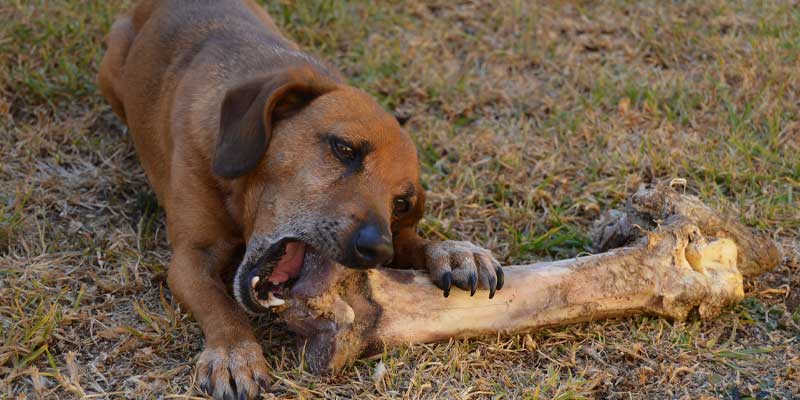
Eating disgusting stuff is a habit of most dogs. As a parent of our pups, it is our responsibility to look after them while roaming. Eating poop or waste causes bad breath in dogs, which can be unpleasant for us — a behavior known as coprophagia, per the American Kennel Club. The solution is to call a vet in an emergency and give proper treatment.
● Long dead animals:
Long dead animals have a terrible smell. If our dog is indigent, the smell may stick to their mouth because of old dead bones, fish bones, decay of bodies, or any stuff that causes foul breathing.
● Disgusting food Substance:
Some foodstuff like plants, medicine, or other material in our home that is in our use may cause problems to the breathing of our pets. It is our responsibility to have a glance at, to make sure the dental health of our pups. Some of these toxic substances are difficult to remove from our pet’s teeth, resulting in foul breath. As a parent of our dogs, we have to supervise their activities even when they are at home.
● Oral Tumors:
An oral tumor may be in a dog’s mouth when we see sudden redness or discoloration of the mouth. An oral tumor can be harmful if not treated on time. It can change into cancer if we do not notice it. As oral masses grow, the tissue can start to die off, which is another source of persistent bad breath in dogs, notes VCA Animal Hospitals.
In a nutshell:
Dog foul breathing has many reasons. Although, whatever the reason is, oral hygiene is essential. Regular brushing, mouthwashes, chewing material, or recommended type food is there that we can use to help overcome poor breathing in our pet. Recommended products by a vet are good to use.
The reason the pup has bad breathing is necessary to find out and treat. Regular brushing is not enough when the dog has liver or kidney disease. It is critical to identify the reason. We can effectively address the issue.
When we cannot know the reason for foul breathing, we should consult a vet promptly for the disease. We can see the loss of life of our pup.
We have described the smell type that may help you detect the reason for bad breathing. Take care of your pup and yourself 😉
● References:
https://www.petmd.com/dog/slideshows/7-reasons-your-dog-has-bad-breath#slide-2
https://forevervets.com/why-does-my-dogs-breath-smell-like-fish-causes-for-dogs-bad-breath/
https://www.johnscreekvet.com/site/blog/2021/08/15/remedies-for-and-causes-of-bad-breath-in-dogs