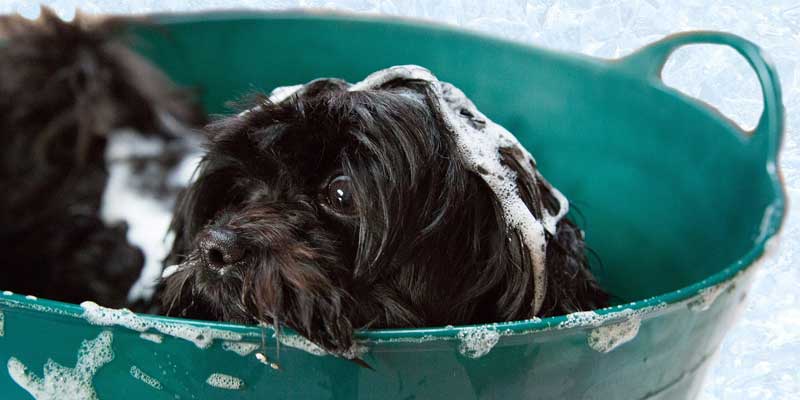
Whenever you try to bath your dog, and it’s opposing you, and you’re trying to figure out what is wrong. Most dogs hate the bath, and it’s completely natural. Don’t worry; we can change this behavior with some tricks. Some of our readers have asked – how to make my dog like baths. Therefore, in this article, we are only going to talk about it.
What’s Inside!
How to Make My Dog Like Water
1. Don’t Rush
I think it is the most crucial thing before getting the bath done because a lack of time might result in frustration if things don’t work accordingly. That’s why I always suggest showering your pet when you have free time, so you can relax and focus on your dog.
Good to know: This slow, patient approach lines up with what veterinary behaviorists call desensitization and counterconditioning — gradually exposing a fearful dog to a trigger while pairing it with something positive, like treats or praise, until it stops causing a stress response.
2. Walk Your Dog Longer Before a Bath If Possible
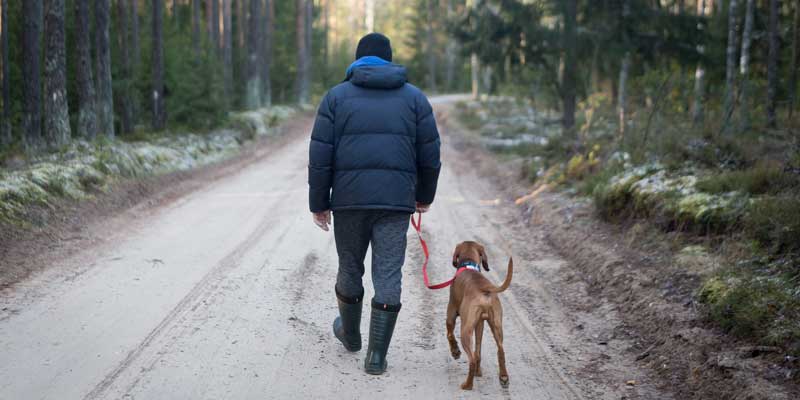
Taking a long walk will automatically make your dog like the water as his body gets hot. It’s the same feeling as we get after a long workout. So, why don’t we take advantage of this natural phenomenon?
3. Bring a Positive Attitude
If your dog resists, then don’t react in the same way. You have to be patient and calm if you want to win your dog’s emotions. When we force our dog to bathe, we think it’s just a bath, but it’s not the same for your dog. He doesn’t even know what you’re going to do with him. Changing our approach a bit can make a huge difference.
4. Make It Enjoyable
It might be harder if you don’t see the possibility of anything changing. So, why don’t you think about the bath time as a playtime, it could be useful for both of you? Some dogs like toys, and it’s an excellent opportunity to connect the bath and playtime. I have tested this thing with my dog, and it worked perfectly.
5. Show the Example
This process could be more straightforward if you have more than one pet. If one of your pets loves bathing, then your second pet will automatically find this process easier. Actually, it will eliminate the fear of the unknown that he was thinking of. You can also enlist canine assistance if you have only one pet, but make sure the dogs meet in advance of the bath.
6. Make the Water Temperature Comfortable
Sometimes very warm or even too cold water can shock your dog; therefore, always check it before bathing. You can keep it lukewarm, which is the temperature most dogs are comfortable with, since dogs run warmer than we do. However, it’s still a good idea to check your dog’s nature to see what he wants.
7. Bring the Food Into the Tub
Feeding your dog near the bathtub or nearby area makes more positive associations with the bathing process. However, you may find your dog resistant or nervous at first, but over time he’ll likely relax and enjoy his meal.
Tip: AKC Pet Insurance recommends using soft, high-value treats rather than dry kibble for this kind of training — kibble alone often isn’t exciting enough to compete with a nervous dog’s attention.
8. Begin Young
Your pet must be relaxed when taking a bath, if not, then you have a big problem. Some pet parents make the mistake of assuming that their puppy is adjusting well to bath time when he just stands there rigidly (or worse, shaking in fear) during this process. Help your puppy learn to enjoy the process; make sure your puppy knows the bathtub very well.
Fact: According to the American Kennel Club, puppies can start a bathing routine as early as 2 months old, using just a warm washrag rather than shampoo until they’re closer to 3 or 4 months old.
9. Start Pleasantly
First, make your dog comfortable with the sound of water, then add a little water to the tub. Start with his feet, then his legs. Keep going forward. Make this process memorable; don’t rush to teach every step to your pet, so he gets used to it instead of trying to speed the process. Never dump a bucket of water on him or spray him; it can make this process horrifying. It is possible with all steps you might find it hard to get the bath done or even not accomplish the mission, but don’t worry. Your goal should be to make your dog comfortable; one day, you’ll surely succeed!
See a vet if: your dog’s coat or skin starts looking dry, flaky, or irritated — that can be a sign of bathing too often. PetMD notes that bathing frequency should generally range from about once a week to just a few times a year, depending on your dog’s breed, coat, and skin health.
Thanks for reading, have a great day 🙂